Book Review: Lost It

Title: Lost It

Author: Kristen Tracy

Genre: YA Romance

Read: Jan 3, 2011

Summary: Forever 2007.

_

This is a very likable teen romance about an Idaho girl’s first real relationship and of course… how she lost her virginity. I read this in my continued meandering quest to find out just how edgy and racy YA can actually be. I hope someone points me to another answer, but I’m thinking… not very. If you know anything really edgy, please put it in a comment. Lost It is pretty reminiscent of Judy Blume‘s Forever (my review HERE), and it’s gone backwards in the sexual explicitness department big time. Really there’s barely any.

Don’t get me wrong. This is a good book, and it stands on its own. It’s just not racy. But I really did like the voice. Using the standard first person past you are immediately and tightly drawn into protagonist Tess’s head. She’s pretty funny too, and not your totally typical teen girl. There is a lot of interior monologue, but it doesn’t suffer from the “too much tell” problems that this often entails. Like, for example, the Indy book Switched (my review HERE) I read the previous day. With Lost It, I actually laughed a number of times aloud — or at least chuckled. Like all these books, the narrator is what drives the whole thing, and the book delivers 100% in that regard.

Many of the other characters are good. The best friend, the boyfriend, and the grandmother all felt unique and real. The parents less so. Tracy doesn’t have the effortless ability to make every character totally and completely believable like Judy Blume, but who does? Nevertheless, she gives it the good old college try and the results are very good.

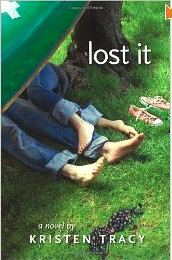
But the tameness bothered me. In our era of hyper shock factor, it would be nice if an honest book like this was a bit more honest and open about its central topic. Sex. Forever certainly has the edge there, and it’s more than 35 years old. It’s also worth noting that the two books have almost the same cover. I guess publisher marketing departments all think alike. Observe to the right!

I don’t know what it is, but at the same time the internet has opened the door to vastly more sexual material than my 70s or 80s brain could have ever conceived, popular media has less and less. But more violence. Somehow this seems pretty twisted — at least the more violence less love thing.

Anyway, Lost It, is a good book. Refreshing actually because I didn’t have to force myself to finish it. It’s all character driven, and when well done that’s a very good thing.

Book Review: Switched

Title: Switched

Author: Amanda Hocking

Genre: Paranormal Romance

Read: Jan 2, 2010

Summary: Easy read, but needs editing badly.


I’ve been doing research on publishing for the last year. I’ll have to write a separate post about the changing nature of the biz, it’s relationship to other publishing businesses (like video games), and the rise of the self published ebook author. But in any case, I stumbled upon this independent and self published author who is selling very well (mostly on Amazon) with no prior print history. I figured I’d check one out. Switched appears to be her best seller and she says on her blog that it’s her favorite.

This is a funny little paranormal romance about a girl whose mother hates her and thinks she’s a changeling — but she is. In fact she’s a troll. She’s then dragged off to her real mother. The first 25% is slightly “high school novel,” and the later 75% “fish out of water.”

Overall, I’m not sure what to make of the book. The first person voice was strangely engaging and I pounded through it easy in an afternoon. Still, it felt like a first (or maybe second draft), and it’s full of flaws.

According to her website the author has roughly ten novels, mostly written in 2010 and she pounds out the first drafts 2-4 weeks! I consider myself fast at 2,500-4,000 words a day of first draft, but I have to admire that kind of lightning pace. The book was short. Maybe 50-60k words and it could perhaps be classified as “engaging” but could’ve been “really fun read” with some real editing.

There is a crazy amount of “tell,” in this book. A lot of it buried in the overzealous volume of interior monologue. Characters are constantly attributed characteristics directly, without them being shown. Often, these characteristics are never shown. The protagonist gives the straight dope on things as she sees it, but this often feels more like how the author wants the reader to see it than how it really is. In fact, there isn’t a whole lot of “show” in the book at all.

The author is a solid writer. The sentences themselves are well formed, but a lot of them needed to come out, or be trimmed down. Conversations are redundant. Dialog points are redundant. The author loves the words creepy and foxy. Really loves creepy. The important scenes feel drained of emotion as the excessive interior monologue and somewhat forced dialog rob the moments of any real drama. The more casual conversations feel better than the important ones. When there’s action it’s awkwardly blocked, so that you have to go back and reread lines sometimes to figure out what happened physically. The overall plot is pretty straightforward. The end was abrupt and unsatisfying too.

But still. I can’t say it didn’t have a certain charm. I enjoyed reading it, more than many published POCs (like for instance Personal Demons). The fantasy concept is decent and didn’t bug me.

Of course the novel only cost 99 cents! The writing is probably on par with Twilight (see my review HERE). Not that that’s high praise. It just needs a lot of revision. Some plot changes to increase drama, character tune-ups, and most of all line editing (see my detailed post on that HERE).

This is an Indy book. It’s professional, but it’s also the novel equivalent of a B movie. Written quickly, revised quickly, and sold cheaply. The author has enough talent to shoot higher.

Book Review: The Spirit Thief

Title: The Spirit Thief

Author: Rachel Aaron

Genre: Light Fantasy

Read: Dec 7-16, 2010

Summary: Ethereal fun.


Between a trip back east, mega editing on my own book, and another parental visit last week I only had time to read five or so novels in December, about a quarter of my usual rate.

Don’t confuse this fun little book with The Lightning Thief, which I also just read and reviewed. The SPIRIT Thief straddles a fairly unique line between totally straight up 80s fantasy and comedic fantasy the likes of River of Dancing Gods or Myth Conceptions. It’s not however as totally comic as those, and somehow seems a bit smaller and lighter (if that’s possible).

The voice is very good, and the opening scene brilliant. There’s a nice new magic system here, where every living thing has a spirit inside that wizards can bargin with, enslave, or what not. Like comedy fantasy Shinto. It’s not entirely evenly developed, but the book is at its best during the magic fights. Although they do have a certainly sketchy quality too them, where the action doesn’t feel entirely blocked out, but I still liked quite a bit of this. The master swordsmen are really nicely done, combining the intrinsic magic of the book with a slightly Robert Jordan-esque blade-master feel. There were moments that almost felt super cool.

The prose can be very wry, in a good way. Funny, without laugh out loud. A lot of this involves attributing emotion to inanimate objects, which given the magical system is perfectly in line. When it’s on, this is certainly very fun to read. But at the same time this levity makes it hard to take the characters too seriously, and certainly not their perils. So it works for and against. I found oddly marooned in a peculiar — albiet unique — tone.

For some reason it also reminded me a bit of Shattered World, one of my high school favorites. Probably because the protagonists is a thief. I maybe wanted it to feel more like that, but it doesn’t feel as big. Everything takes place in a fairly short time and place, and the stakes seem a little local. The light tone also works against the emotional intensity of the characters, and I for the most part feel that they existed to either service the plot, or like the author was more sure of their personality than the character. The villain in particular is of the “i’m very bad, and very mad, and bad at being mad” sort.

So overall I would call the book a snack. But a tasty one.

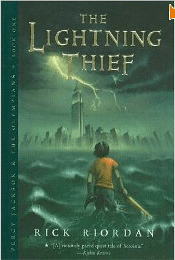
Book Review: The Lightning Thief

Title: The Lightning Thief

Author: Rick Riordan

Genre: MG Fantasy

Read: Dec 1-6, 2010

Summary: Okay read, but really cheesy.

_

In my ongoing research of novels: both bestselling and good, I figured I should give this one a try. Sure it’s for a young audience, but I’m also a big Greek history buff.

Hmmm. The voice is engaging, and it’s certainly easy to read. The idea is great. The characters fine, not good but fine. The writing is stiff, and the plotting… oh the plotting is pretty awful. I really don’t understand why it sold so well. Perhaps it’s a vaguely educational angle?

Percy himself is likable, although he is unrealistically brave in this just-go-for-it-because-I-know-as-protagonist-I’ll-win way. The rest of the characters are pretty one dimensional, although they do fulfill the requisite positions.

The flip style is good, but not exactly ground breaking, and the sentences are clunky.

I’m a stickler for accuracy with regard to mythology. But mostly, that part isn’t too bad. Sure he completely goofed Satyrs, as they are hybridized horse people, not related to goats (although they are partial to the beasts). You can see my detailed post on Satyrs. And on a related note, Dionysus was lamely portrayed, missing out on any of the interesting nuances and dichotomies of the god. That’s the name of the game for this book — shy on nuance. Sure he throws in all sorts of figures from Greek myth, but very little of their subtle and interesting character is retained. But the modernized updates are sometimes fun. Even so, this wasn’t my big problem with the book.

The plot. The premise of modern day child of the gods is great. The overall arc of the plot is fine, that a war of the gods is brewing. It’s just they way the main quest is actually architected. The middle 50% of the book consists of a series of encounters with monsters literally concatenated with nary a thought as to connection or relevance to the overall story. In fact, you could delete quite a few of them and never notice. This is always bad writing. If a scene can be deleted without incident, well then, it probably should’ve been. The overall taste we’re left with is one of ludicrous coincidence, where everything just happens to the hero.

Then we get to the end. Can we say cheesy melodrama. There’s no real menace, or challenge. Things just kind of happen. Mostly the hero solves them by whipping out his sword disguised as a pen. It all works out. It didn’t have to be this way. Harry Potter is much better plotted.

Now I have to see the movie and compare. This may be a chore. I wonder if the series gets better, but I don’t have the interest to find out.

Book Review: Uglies

Title: Uglies

Author: Scott Westerfeld

Genre: YA Science Fiction

Read: Nov 19-21, 2010

Summary: Great Read.

_

The Science Fiction in this book is a little hokey, but it’s still a extremely compelling read. There is a bit of a silly high concept in this dystopian future, where at 16 teenagers get an operation that promotes them from “uglies” (normal people) to super improved “pretties.” I didn’t really buy the idea of this particular and odd society, but I just suspended my disbelief and enjoyed the ride.

The voice is solid and captivating. It’s a good story, and the world has a really nice feel. The characters are pretty well painted too. I pounded though the book and ordered the sequel. I have some little beefs with the logic of the plot, and a bigger one with a motivation of the protagonist, and the ending. However, when I enjoy a story and care about the characters, a little ignoring is worth it.

There are also some cool gadgets. The tech feels a little uneven — I usually find that the case, where the level of technology changes aren’t consistant across the board. But a good read is a good read.

Inside Game of Thrones

HBO has been working on a new hour drama based on my favorite fantasy series, Song of Ice and Fire, which they’re calling by the title of the first book, Game of Thrones. Last night they ran a 15 minute teaser which can be seen here.

I need to do a full review of the series, which you should all immediately read if you haven’t, but it totally rules, and the HBO show looks fantastic too. The books are long, but incredibly fast paced. Set in a sort of fantastic reinterpretation of late medieval England, the magic is very lightly handled. In fact, the story concentrates on extremely vivid and ambiguous characters caught in a vicious political struggle. It’s very dark and real — giving new meaning to the Tarantino phrase, “I’ma get medieval on your ass.” However, nothing’s gratuitous, just well done.

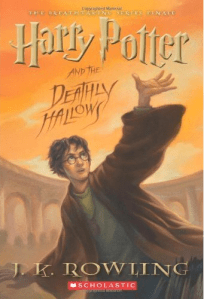
Book and Movie Review: Harry Potter and the Deathly Hallows

Title: Harry Potter and the Deathly Hallows

Author: J.K. Rowling

Genre: YA Fantasy

Read: 21 July 2007, Watched (part 1): 20 Nov, 2010

Summary: Satisfying but obligatory conclusion to the epic series.


Retarded title aside, this is a pretty good film. Caveats, however, abound. If you haven’t seen all the previous installments, or at least the last several — forget it. The film just roles right into the action, with nary an attempt to explain past events, or even to introduce the rather vast array of characters, some of whom die after only a few moments of screen time. This reliance on the previous chunks of the story I find perfectly reasonable, to do anything else would be difficult and boring.

What is odd, however, is that I’m not sure this film series would make a whole lot of sense to the fifty people on earth who haven’t read the books. In fact, I’m pretty sure it wouldn’t. I know a few of those people, and they seem to be universally baffled by the films, and don’t particularly enjoy them. Now I enjoyed my 2.8 hours, but I’ve read all the books, and seen each film at least once (as they came out in almost all cases). The books and films enjoy an peculiar symbiotic relationship. The films rely on the books completely for the sense of the rhythm of Hogwarts (not present in DH part 1 anyway), true understanding of the complexity of the plot, anything beyond names and faces for the secondary characters, etc. They just don’t have time to include it. The movies, on the other hand, prop up the visual world of the series. Now I first read the first four books BEFORE any of the films came out, but when I went back to reread book one this year (it’s still great) I realized how little description is actually in the novel, and how I now visualized exactly the lush and detailed visual world of the films. Most of the viewers in the theatre weren’t even old enough for it to have been possible for them to have read before being exposed to the film imagery. It also seems a bit odd that the films aren’t really made to stand on their own. To the non reader they offer up characters that they never explain. I guess the gravitational pull of the source material is too strong.

Back to DH part 1. Like the book it has an entirely different feel than the rest of the series. Particularly, given how the writers have split it. There’s no Hogwarts at all. No teachers (except a brief glimpse of Snape). Almost none of the other students (Draco and Luna only). It’s a movie about Harry, Ron, and Hermione. That isn’t bad, but it’s different. It’s also a film about Voldemort, because we see a lot more of him — or at least of the CG that completely hides Fiennes. The decision to split the film — beside making the studios et all an extra billion dollars — has given them five hours to work with instead of three. This means that this film is the most faithful to the book since number 3 (my favorite). It feels less rushed, darker and more deliberate. But even having read and seen everything, I had the feeling several times that I just had to take the logical leaps for granted. There still isn’t enough time to really explain the byzantine backstory.

Ron continues to be the weakest of the three core actors, with Harry being fine, and Emma Watson shining as Hermione. I want to see what she can do in a totally different role. Helena Bonham Carter is too over the top. The opening scene with the council of baddies was kinda cheesy, and the death of Dobby felt forced and lacked proper emotional weight. Draco just stands around and looks like he doesn’t know his lines. Hardly anyone else matters. As I said, it’s basically the gang of three in the tent vs the world.

But hell, on top it felt pretty satisfying, and now we have to wait for the last one.

On Writing: Yet Another Draft

The good news is that the comments from my Nov 13  draft came back Tuesday and they were very positive, and a lot less extensive than the previous three batches. So hot off an intense 8 day mega redraft, followed by one day of toddler party, followed by a full read in one day, followed by a half day of fixing the things I found in my own read… I did another 2 day mini full draft. v4.60.

I think it’s finally getting pretty close to just needing line editing (polish and smaller scale fixes). One thing about the process, however, is that a bit like a video game before you’ve had the testers pound on it, one is not entirely sure what one has. Sure, I know the book so well I can name every one of my 300 scenes in consecutive order, quote passages, or tell you to the day and version how a scene has evolved. Still, it’s hard to judge the work as a whole without a full read — and I just did one on Monday (plus two full drafting passes since then).

This is why one needs a ready supply of beta readers. Too bad it’s illegal to lock friends in a room with the book and tell them no food until they slide notes back out under the door.

FOR MY PREVIOUS POST ON WRITING, CLICK HERE

On Writing: Passes and Plots

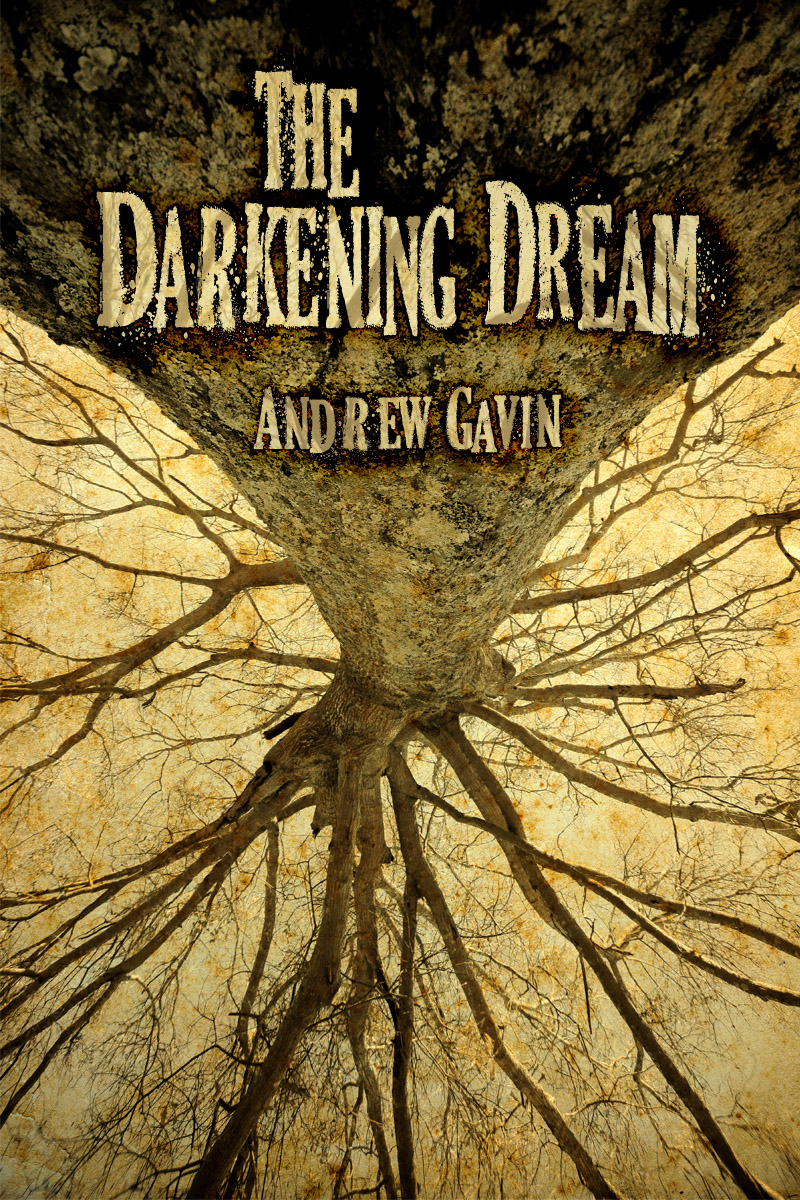
This afternoon I finished the rough cut of my 7th major draft of my novel, The Darkening Dream. In my process, a rough cut is a draft (in this case v4.55 — yes you can tell I’m also a computer programmer) where I’ve done all the major changes I intend, but I haven’t yet gone through and reread the whole book (again, for the 40th or so time) to fix up little inconsistencies I missed and to tweak and improve the prose specifically. Part if this is that different read and edit passes have different paces, and it’s not a great idea to mix them.

In a rough cut pass one is struggling to perform large scale surgery. To cut out big sections and sew them back together. To remove characters, objects, or character the motivations, purposes, or settings of things. I like to move fairly fast during this phase because I have to keep in my head all the little loose ends that need to be tied up (I try to write them in my change plan — a kind of chapter-wise outline of changes — which I follow as I redraft). Plus, during a big rough cut the novel is also “broken”. To me this is analogous to the period when a program can’t be compiled or crashes in some heinous way. So, I don’t really want to stop too long and noodle over a sentence. I don’t like either my novels or my programs broken. It was S.O.P. during Crash Bandicoot and Jax and Daxter to build a test disk every night that testers would play the next day. If your build was broken, this couldn’t happen and other people couldn’t work. Same with the book, I like to be able to give it to a beta reader if necessary. You can’t if it’s broken.

On a read-as-a-reader pass one drops the thing on the iPad (these days) and then read it from start to finish, jotting quick notes or highlighting problems. If you stop to fix them for too long, then you loose the feel of the book as it was intended to be read. This, by the way, is why if you want to really enjoy a book, you should read at least a few pages each day. If you take a two-week hiatus (or more), you lose too much continuity.

And finally, there is polish. In this kind of pass you line edit, or change on the fly. Improving sentences, polishing phrases, fixing errors, trimming fat, whatever. It’s possible while doing this to easily trim 5-15% out of a scene without actually removing any real content. This too has its easy analogy in programming: optimization, particularly of memory or code size (no longer very relevant). In this kind of pass you just work at the low level, and so you can move slowly.

So that was passes. Now onto plots and subplots.

In my previous major draft (v4.43 — don’t ask) my editors pointed out something huge that I was subliminally aware of as a problem, but hadn’t pinpointed the exact cause. I had two major subplots going in my book. One was the main plot, and the other was the villain‘s secondary agenda. I used to have three, but that was in versions before 4.xx.

To explain this, in v4.43 and before: There were the heros and the villains. The villains had this super bad plan going, and they had multiple sub goals serving this plan. The two main villains (meaning the ones who have points of view in my story, not the boss villains) had this separate — albiet bad — agenda to get something from a vaguely good third party. The heros were both the target some of the other offscreen villains and collateral damage of the pov villains. Now this was done originally to show that the villains were so badass that even distracted they were crazy nasty. The heros had as their agenda stopping the villains and saving themselves (nothing really wrong with that), however, they were never really able to understand the actions of the villains because of the mysterious secondary objective.

By making the seemingly simple change of merging the secondary objective and with something the heros had this entire situation was changed and improved. Now, the villains want something the heros have, and although they do much the same things they did against the third party + the collateral part, they do it all to the heros (and a little to each other, because they’re evil!). By way of analogy, before the heros and villains were on adjacent train tracks lobbing bombs at each other and trying to cut each other off at the pass, now they’re on a head-on collision course firing full time at the other. This got rid of the third parties which no one cared about, and had the net effect of creating literally dozens of additional opportunities for conflict and 5 or so new big head to head confrontations — and this is in a book filled to the brim with fights. Conflict is a novelist’s bread and butter, so this is win-win.

It’s also worth saying that to improve any work. Be it video game, novel, or whatever. When you get well articulated suggestions you have to be willing to try and view their merits objectively. This is with the end of judging if the end result would be better in an absolute sense. Of course, sometimes even if it is, the bang for the buck isn’t there, or there are tradeoffs. The changing itself, however, is part of the process.
FOR MY PREVIOUS POST ON WRITING, CLICK HERE
Book Review: Dead Beautiful

Title: Dead Beautiful

Author: Yvonne Woon

Genre: YA Supernatural

Read: Nov 5, 2010

Summary: Great YA, gripping voice pulls you right through.

_

I found this via one of my writer blogs. A lot of recent YA is frankly, trash, but this was a very well written book. Superficially it might seem very Hogwarts, a young girl’s parents die suddenly, and then she is bundled by her mysterious grandfather off to a creepy gothic prep school in Maine. But it’s anything but derivative. First of all the first person voice is great. Smart, but not forced or full of attitude it pulls you seamlessly through the entire novel — and it’s 500+ pages. I literally read it in one sitting.

I’m not going to give away the major premise, but the school setting is often an enjoyable one when done right, and this one certainly is. The characters seem real enough, particularly the protagonist, and there is a unique creepy feel to the whole world. Intellectual, but not heavy. The supernatural is fairly subtle, and about 75% of the way through there is the “big reveal” as to what the deal is with certain things. As is usual with this sort of thing the book was better before the reveal, but it still held up afterwards, even coming to an emotional finish.

Fantastic debut novel, and I eagerly await the author’s next book.